


Electric Furnaces in Maryland & Washington, DC
Electric furnaces eliminate combustion from the heating process, but that does not make equipment selection automatic. James A. Wheat & Sons, Inc helps homeowners compare electric furnaces in Gaithersburg, MD & Washington, DC based on heating demand, electrical capacity, existing ductwork, equipment configuration, and how the furnace will work with the rest of the HVAC system.
Electric furnaces can serve as the primary heating source in the right application or provide backup heat for heat pump systems, including geothermal systems, during extreme cold. The advantage is a comparatively simple heating method with relatively low upfront cost and without fuel storage, a pilot light, or combustion venting, while the tradeoff is that electricity costs need to be considered when the furnace will carry a large share of the winter heating load.
Call (301) 241-9636 or contact us online to discuss electric furnace options for your Gaithersburg or Washington, DC home.
Have an Emergency?
We Can Help!
How an Electric Furnace Produces Heat
An electric furnace uses resistance heating elements rather than burners. When the thermostat calls for heat, electricity passes through those elements, the blower moves air across them, and heated air travels through the home’s duct system.
That removes several components associated with fuel-burning furnaces, including burners, gas valves, combustion venting, and a heat exchanger exposed to combustion gases. The system still depends heavily on correct airflow, electrical operation, controls, and blower performance to heat the home effectively.
When an Electric Furnace Makes Sense
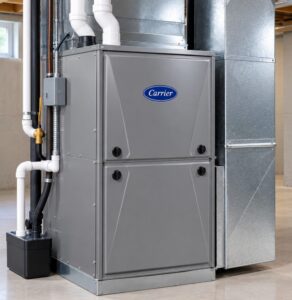
Electric furnaces can fit homes where natural gas is unavailable, where homeowners want to avoid on-site combustion, or where an existing HVAC configuration already supports electric resistance heat. They can also be paired with certain heat pump systems to supply additional heat when operating conditions call for it.
The decision should include more than equipment price. Electrical service capacity, winter heating demand, utility costs, available mechanical space, duct condition, and the role the furnace will play in the larger HVAC system all affect whether electric heat is the right choice for the property.
What We Evaluate Before Electric Furnace Installation
A replacement should not be selected simply by matching the capacity listed on the old equipment. We review the home’s heating requirements, ductwork, airflow, electrical supply, thermostat and control setup, existing cooling equipment, and any comfort problems that should be addressed before the new furnace goes in.
Once the system is selected, installation can include removing old equipment, positioning and connecting the new furnace, completing electrical and control connections, integrating compatible HVAC components, and operating the system through a full heating cycle. Straightforward pricing is reviewed before approved work begins.
Electric Furnace Services in Gaithersburg & DC
An electric furnace may have fewer combustion-related components than a gas furnace, but it still needs proper installation and ongoing service. We support the equipment throughout its operating life rather than treating the furnace as a one-time product purchase.
- Electric furnace installation: Install new electric heating equipment around the home’s load, duct system, electrical requirements, and HVAC configuration.
- Electric furnace replacement: Remove aging equipment and install a replacement when reliability, condition, or performance makes continued repair less practical.
- Furnace repair: Diagnose heating elements, blower components, electrical controls, and thermostats, along with other causes of insufficient heat, inadequate airflow, noise, or uneven air distribution.
- Furnace maintenance: Inspect and service the furnace so developing electrical, airflow, and mechanical problems can be identified before peak heating demand.
- Heat pump service: Maintain and repair systems where electric resistance heat works alongside heat-pump operation.
That full-service approach is especially useful when the electric furnace shares controls, ductwork, or indoor equipment with another part of the heating and cooling system.
Electric Furnace vs. Gas Furnace
The most obvious difference is how the two systems create heat. A gas furnace burns fuel and transfers combustion heat into the air stream, while an electric furnace uses electrical resistance heating elements.
Electric equipment avoids fuel piping and combustion exhaust requirements, but operating cost can be higher depending on electricity rates and how much heat the home requires. Gas furnaces introduce combustion-related components and venting but can be economical in homes with existing natural gas service. The better choice depends on the property’s utilities, infrastructure, heating load, and long-term plans.
Electric Furnace vs. Heat Pump
An electric furnace and a heat pump both use electricity, but they do not heat the home the same way. A furnace converts electricity directly into heat through resistance elements, while a heat pump moves heat from one place to another through a refrigeration cycle.
That difference is why electric resistance heat can be used as supplemental or backup heat in some heat-pump configurations. If the project involves replacing an older electric furnace, it may also be worth comparing the existing setup with current heat pump options before automatically duplicating the old system.
Electric Furnace Repair or Replacement?
Electric furnaces can remain in service for many years, with a potential service life of roughly 20 to 30 years when the equipment is properly used and maintained. Age alone still does not determine the next step.
Replacement becomes more worth comparing when age is joined by repeated repairs, declining airflow, heating elements that continue failing, electrical problems, increasing operating costs, or difficulty maintaining indoor temperature. Our furnace replacement service looks at the entire system so homeowners can compare another repair with the cost and benefits of moving to new equipment. When a furnace stops working in cold weather, same-day service is available.
Electric Furnace Questions for Gaithersburg & DC Homes
Are electric furnaces less expensive to install than gas furnaces?
They can have lower initial installation requirements in some homes because they do not need gas piping or combustion venting. The total project still depends on electrical capacity, existing ductwork, controls, equipment size, and any modifications required for the installation.
Are electric furnaces expensive to operate?
Operating cost depends heavily on electricity rates, home efficiency, outdoor conditions, furnace size, and how long the equipment runs. Installation cost and operating cost should be evaluated separately when comparing electric and gas heating.
Can an electric furnace work with a heat pump?
Yes, electric resistance heat can serve as supplemental heat in certain heat-pump systems. The equipment and controls need to be configured correctly so the two heating methods operate as intended.
Why is my electric furnace running but not producing enough heat?
Possible causes include failed heating elements, restricted airflow, blower problems, electrical controls, thermostat issues, or a heating load the system is struggling to satisfy. Furnace repair should identify which part of the heating sequence is failing before components are replaced.
How long can an electric furnace last?
An electric furnace can last roughly 20 to 30 years with proper use and maintenance. Actual service life depends on operating hours, installation quality, electrical conditions, maintenance history, and the condition of individual components.
Are electric furnaces safe?
Because they do not burn fuel, electric furnaces do not produce combustion gases or need a pilot light or flue. They still require an adequately sized electrical supply and correct installation.
Are electric furnaces efficient?
Electric resistance furnaces convert nearly all of the electricity they use into heat, but the cost of that heat depends on local electricity rates compared with other fuels.
Annual Service Still Matters Without Combustion
Removing burners and combustion components does not eliminate maintenance. Electrical connections, heating elements, blower motors, capacitors, filters, airflow, controls, and thermostats still affect how reliably an electric furnace performs.
Annual heating maintenance creates an opportunity to inspect those conditions before winter. Homeowners who prefer to keep heating and cooling service on a recurring schedule can also use the Eagle Club rather than relying on memory each season.
Training Matters With Electrical Heating Too
Electric furnaces may have a simpler heat-generation process than combustion equipment, but diagnosing them still requires understanding electrical loads, sequencers or controls, heating elements, airflow, blower performance, and how the furnace interacts with other HVAC equipment.
Our technicians train weekly on diagnostic procedures, equipment updates, and safety. As a family owned and operated company with more than three decades of regional heating experience, James A. Wheat & Sons, Inc works on gas furnaces, electric furnaces, heat pumps, and boilers, giving homeowners a team that can compare the entire heating setup instead of viewing one piece of equipment in isolation. We hold Maryland HVAC (4178), Maryland Plumb/Gas (67726), WSSC Plumb/Gas (70805), DC HVAC (LC900099), and DC Plumb/Gas (PC798) licenses, along with Maryland Home Improvement license 14762.
Electric Heating Across Gaithersburg, Montgomery County & DC
Homes across Gaithersburg, Bethesda, Rockville, Silver Spring, and Washington, DC contain a wide mix of HVAC configurations. Some were built around combustion heating, while others rely more heavily on electric equipment or have been converted as systems were renovated over time.
Mechanical-space limitations, electrical capacity, additions, duct modifications, and the age of the property can all change what makes sense for the next furnace. We account for those conditions before recommending an electric heating setup.
Decide How Electric Heat Fits Into the Whole HVAC System
The best reason to choose an electric furnace is not simply that it avoids gas. The equipment needs to fit the home’s electrical infrastructure, heating demand, ductwork, operating-cost expectations, and any heat pump or cooling equipment sharing the system.
James A. Wheat & Sons, Inc helps homeowners evaluate those factors before installing or replacing electric heating equipment so the decision is based on how the home actually operates, not just which furnace was there before.
Call (301) 241-9636 or schedule an electric furnace consultation online for your Gaithersburg, MD or Washington, DC home.

What Can We Do For You?
Contact Us Today!
Homepage Footer
We Treat You Like Family
Let us ensure that you have the highest degree of home comfort and become part of the James A. Wheat & Sons family.
- Same Day Service
- Lifetime Warranties
- Free Service Calls
- Trained Technicians
- Friends & Family Discounts
- And Much More!